
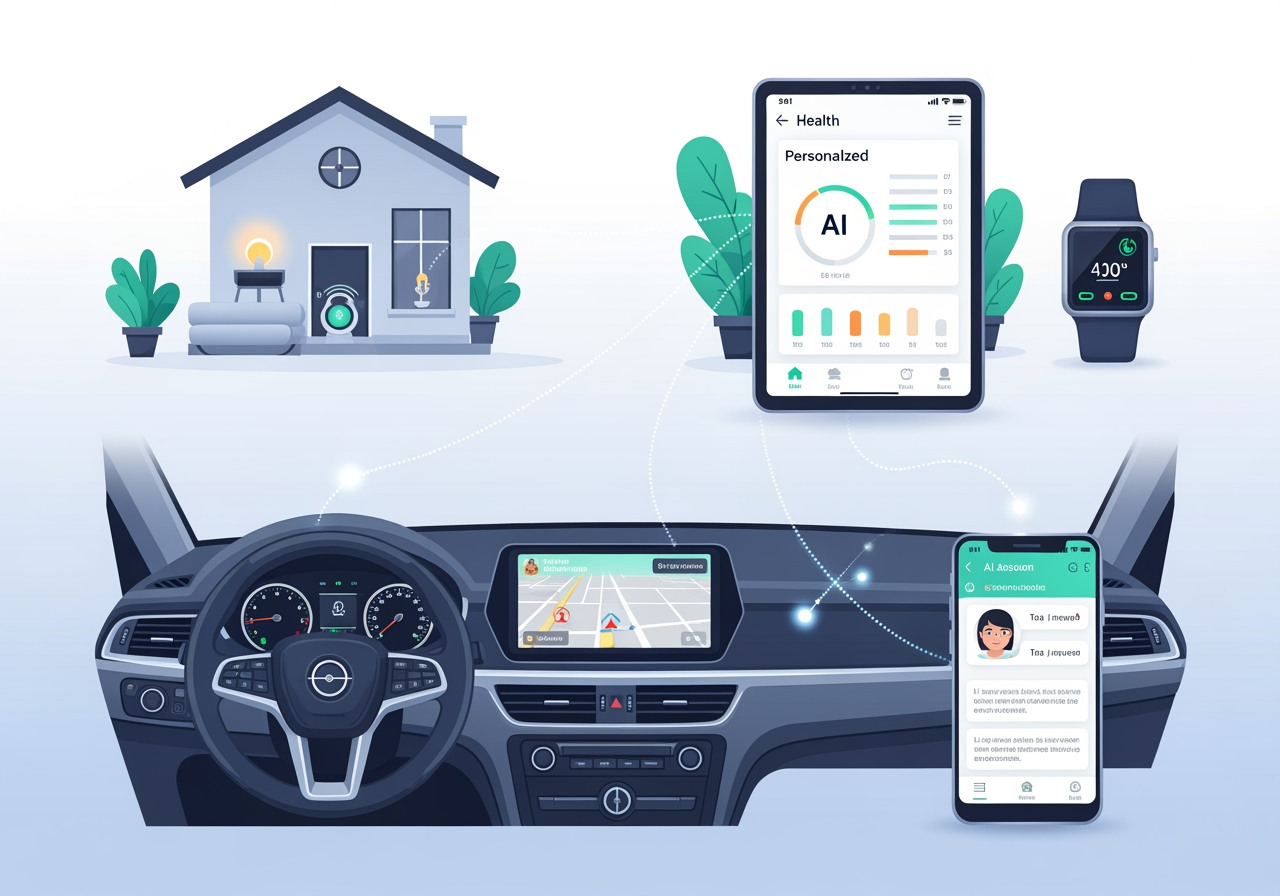
Artificial Intelligence is often discussed in terms of big industries, automation, and jobs. However, its most powerful impact is happening quietly in everyday life. From the moment people wake up to the time they go to sleep, AI is shaping daily experiences in ways many don’t even notice.
AI is no longer futuristic—it is deeply embedded in normal routines.
AI in Morning Routines
Many people start their day with AI without realizing it. Smart alarms adjust wake-up times based on sleep patterns, weather, and traffic conditions. AI-powered assistants provide:
- Personalized news updates
- Weather forecasts
- Schedule reminders
This helps individuals start their day more organized and informed.
AI in Communication and Social Interaction
AI plays a major role in how people communicate:
- Email filters reduce spam
- Smart replies save time
- Language translation enables global conversations
Social media platforms rely on AI to recommend content, detect harmful behavior, and personalize user feeds. While sometimes controversial, these systems help manage massive digital communities.
AI in Shopping and Daily Decisions
Online shopping and local services are heavily AI-driven. AI systems:
- Recommend products based on preferences
- Predict delivery times
- Optimize pricing and availability
Even grocery apps and food delivery platforms use AI to make ordering faster and more convenient.
AI in Health and Wellness
AI supports health beyond hospitals. Fitness apps, smartwatches, and wellness platforms use AI to:
- Track physical activity
- Monitor sleep and stress
- Provide personalized health suggestions
These tools encourage healthier habits and early awareness of potential issues.
AI in Transportation and Travel
Navigation apps use AI to analyze traffic patterns and suggest the fastest routes. Ride-hailing services optimize driver availability, while airlines and rail systems use AI to manage schedules and improve safety.
Travel has become smoother, safer, and more efficient due to AI-driven systems.
AI in Home Management
Smart homes use AI to manage:
- Energy consumption
- Lighting and temperature
- Home security
These systems reduce costs, improve comfort, and increase safety with minimal user effort.
The Invisible Nature of AI
One reason AI’s impact is underestimated is because it works quietly. When technology feels seamless, it fades into the background. But behind that simplicity lies complex intelligence making decisions in real time.
Challenges to Be Mindful Of
While AI improves convenience, it also raises concerns:
- Data privacy
- Over-dependence on automation
- Reduced human interaction
Responsible AI use and awareness are essential to maintain balance.
Conclusion
AI is no longer limited to labs or large corporations—it is shaping everyday life in subtle but powerful ways. As technology continues to evolve, the focus should be on using AI to support human well-being, not replace human connection.
The future is not about living with machines—it’s about living better with intelligence.